
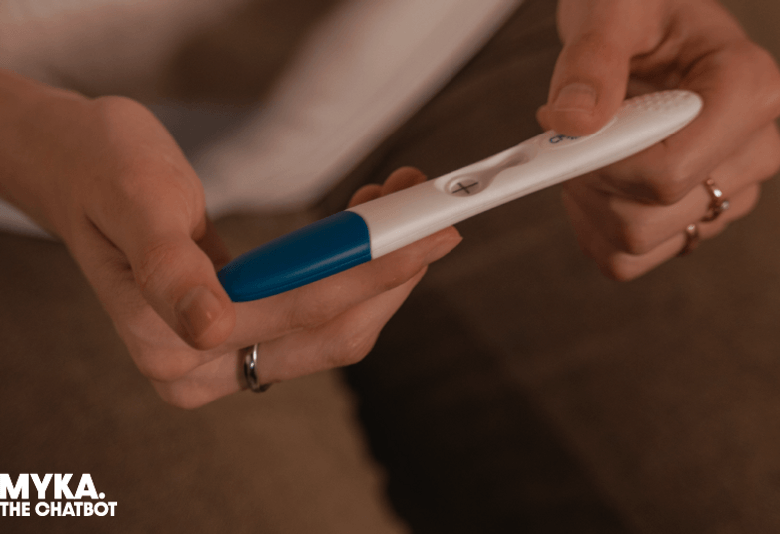
Sexually transmitted infections (STIs) do not directly cause pregnancy, but the same situations that increase STI risk, such as sex without condoms or limited access to contraception, can also increase the chance of an unplanned pregnancy.
STIs and unplanned pregnancy are connected because they often share the same risk factors, especially sex without condoms, limited access to contraception, lack of testing, and misinformation about sexual health. Condoms are important because they can help reduce the risk of many STIs and also help prevent pregnancy. For stronger pregnancy prevention, condoms can be used together with another contraceptive method. Most contraceptive methods do not protect against STIs, while condoms can help protect against HIV and other STIs.
What Are STIs and Unplanned Pregnancy?
STIs are infections transmitted through sexual contact, caused by bacteria, viruses, or parasites. Common examples include chlamydia, gonorrhea, syphilis, and HIV. Because many STIs may not cause obvious symptoms, testing is the only way to know for sure. The World Health Organization (WHO) notes that STIs have a major impact on sexual and reproductive health worldwide.
Unplanned pregnancies occur when conception happens without prior intention, often due to contraceptive failure or non-use. Many of these unplanned pregnancies occur among young people and those with limited access to contraception or healthcare. Support, information, and access to contraception can help people make informed decisions.
Why STIs and Unplanned Pregnancy Can Happen Together
The connection between STIs and unplanned pregnancies lies in shared risk factors and behaviors.
- Unprotected sexual activity is a primary link, as inconsistent or incorrect use of condoms and other barrier methods leaves individuals vulnerable to both.
- Insufficient knowledge about contraception and STI prevention further contributes to risky behaviors.
- Lack of STI testing. Undiagnosed STIs may complicate unplanned pregnancies, which can have severe effects on maternal and fetal health. For example, untreated syphilis can lead to congenital syphilis, a condition that causes stillbirth, neonatal death, prematurity, low birth weight, and lifelong health problems for the infected infant.
Common Myths That Increase Risk
STIs can only be transmitted through penetrative sex. This is false. Some STIs can be transmitted through oral sex and other forms of sexual contact, so protection and testing still matter.
A woman cannot get pregnant during her period. This is a misconception. Unprotected sex at any point in the menstrual cycle can carry a risk of pregnancy.
Birth control pills protect against STIs. Most contraceptive methods do not protect against STIs. Only condoms can help reduce STI risk.
Why Stigma Makes STI and Pregnancy Support Harder
Beyond the immediate health consequences, the stigma surrounding STIs and pregnancy often leads to social isolation, heightened anxiety, and depression, particularly among young people who may face judgment or discrimination from peers, family, or society.
This fear of being ostracized can discourage individuals from seeking the medical or emotional support they need, perpetuating cycles of poor health decisions like not frequently testing for STIs.
Other barriers to accessing sexual health care include the cost of tests, treatment, contraception, and transport.
What Makes Prevention Difficult?
While measures to prevent STIs and unplanned pregnancies exist, several barriers hinder their widespread implementation due to societal, educational, and healthcare-related challenges.
- Stigma and cultural norms surrounding sexuality discourage open conversations about sexual health, leaving individuals uninformed or too ashamed to seek preventive measures. For instance, in certain communities, young people might avoid discussions about contraception out of fear of judgment, increasing their risk of unintended pregnancies and STIs.
- Education gaps. Many regions lack comprehensive sexual health education, resulting in widespread misconceptions. For example, individuals might incorrectly believe that withdrawal is a reliable contraceptive method or remain unaware of the importance of regular STI testing.
- Not knowing how condoms work.
- Not knowing emergency contraception exists.
- Not knowing where to get tested.
- Believing that withdrawal is enough to prevent pregnancy.
Healthcare accessibility also poses significant barriers.
- High costs of contraception, diagnostic tests, or treatments
- Geographic inaccessibility in some areas prevents many from accessing essential services. For many individuals, even basic preventive measures like purchasing condoms or attending a clinic for testing may feel financially burdensome.
- Privacy concerns, especially for young people and/or married couples.
How to Reduce Your Risk of STIs and Unplanned Pregnancy
Comprehensive sexual health education is the cornerstone of prevention. Programs that teach safe sex practices, the correct use of contraceptive options, and methods for preventing STIs empower individuals to make informed decisions about their health
Condoms are the only contraceptive method that can help protect against both pregnancy and many STIs.
Use Dual Protection When Possible
Use condoms with other birth control methods like the IUD, the pill, the injection, and the patch. This affords you an extra layer of protection from both sexually transmitted infections and unplanned pregnancy. The CDC recommends condoms with another contraceptive method for dual protection against STIs and pregnancy
Get Tested and Treated Early
Many STIs may not cause obvious symptoms, which can lead to them being undetected and untreated without diagnostic tests. Frequent and regular testing for STIs as a sexually active person can help detect and start early treatment of infections.
Partner Communication
Keep open communication with your sexual partner. Talk about and schedule STI testing. Discuss condom usage, other methods of contraception, exclusivity, symptoms, and what to do if a condom breaks.
Improved Access
Look for free or low-cost testing and contraception services near you. Many clinics, community health centres, and online resources offer confidential support. You can explore contraceptive options at findmymethod.org to find what works best for you.
Advocacy and Community Support
If access to testing, contraception, or sexual health support is limited in your area, connecting with local health organisations or advocacy groups can help. Supporting campaigns that reduce sexual health stigma also benefits others in your community who may face barriers to accessing care.
What Can You Do to Protect Yourself and Your Partner?
As an individual, there are several proactive steps you can take to protect yourself and your partner from STIs and prevent unplanned pregnancies.
- Regular, consistent, and correct use of condoms.
- Choose dual protection with a condom and a contraceptive method that fits your lifestyle.
- Get tested regularly for STIs
- Treat STIs early
- Use emergency contraception after unprotected sex when appropriate
- Speak openly with sexual partners.
What If You Had Unprotected Sex or a Condom Broke?
Consider taking emergency contraception after unprotected sex or if a condom breaks to reduce the risk of an unplanned pregnancy. However, emergency contraception will not protect you from a potential STI. In this scenario, it is important to go for STI testing as soon as possible and do follow-up checks, as some STIs may take a while to manifest.
Choosing a Birth Control Method That Works for You
Finding the contraceptive method that works best for you can be achieved by looking at your sexual activity, your lifestyle, underlying medical conditions, and other lifestyle factors that may impact the effectiveness of a specific method. It is important to explore and compare the different methods to find your best fit, and you can take this quiz to help you narrow down your options.
If You Think You Might Be Pregnant
Preventive measures like regular testing and contraception are crucial, but it’s essential to recognize that unplanned pregnancies can still occur, despite our best efforts. In such cases, it is important to be aware of your pregnancy options. You can also get trusted abortion counseling here if you have decided not to continue an unplanned pregnancy.
Frequently Asked Questions
Can STIs cause unplanned pregnancy?
No, STIs do not directly cause pregnancy. However, STIs and unplanned pregnancy can share risk factors, such as sex without condoms, limited access to contraception, and lack of sexual health information.
Do birth control pills protect against STIs?
No. Birth control pills can help prevent pregnancy, but they do not protect against STIs. Most contraceptive methods do not protect against STIs. Only condoms can help reduce STI risk.
What is dual protection?
Dual protection means using condoms to reduce STI risk together with another contraceptive method to better prevent pregnancy.
Can you get an STI from oral sex?
Yes, some STIs can be transmitted through oral sex, so protection and testing still matter.
What should I do after unprotected sex?
Consider emergency contraception if pregnancy is a concern, get STI testing, and speak with a healthcare provider or trusted sexual health service if you have symptoms or feel unsure.
When should I get tested for STIs?
Get tested if you had unprotected sex, have a new partner, have symptoms, or feel unsure about possible exposure. Some STIs have no symptoms, so testing can still be important.
SOURCES
Contraception and Birth Control Methods https://www.cdc.gov/contraception/about/index.html
Sexually Transmitted Infections https://www.who.int/news-room/fact-sheets/detail/sexually-transmitted-infections-(stis)
Unintended pregnancy https://www.cdc.gov/reproductive-health/hcp/unintended-pregnancy/index.html
Adolescent pregnancy https://www.who.int/news-room/fact-sheets/detail/adolescent-pregnancy
Surprising STDS You Can Catch Without Having Sex https://yoursexualhealth.co.uk/blog/surprising-stds-you-can-catch-without-having-sex/#:~:text=Which%20STD%20can%20you%20catch,through%20contact%20with%20infected%20blood.
Can you get Pregnant if you Have Sex During Your Period https://www.plannedparenthood.org/blog/can-you-get-pregnant-if-you-have-sex-during-your-period
Birth Control Pills; Types, Side Effects & Effectiveness https://my.clevelandclinic.org/health/treatments/3977-birth-control-the-pill
Preventing Transmission During Pregnancy, Birth and Breastfeeding https://www.tht.org.uk/hiv/living-well-hiv/parenthood/preventing-vertical-transmission#:~:text=Without%20the%20right%20treatment%20and,on%20HIV%20to%20your%20baby.
Chlamydia trachomatis infection during pregnancy associated with preterm delivery: a population-based prospective cohort study https://pmc.ncbi.nlm.nih.gov/articles/PMC3115062/#:~:text=Chlamydial%20infection%20during%20pregnancy%20may,infection%20%5B5%E2%80%937%5D.