
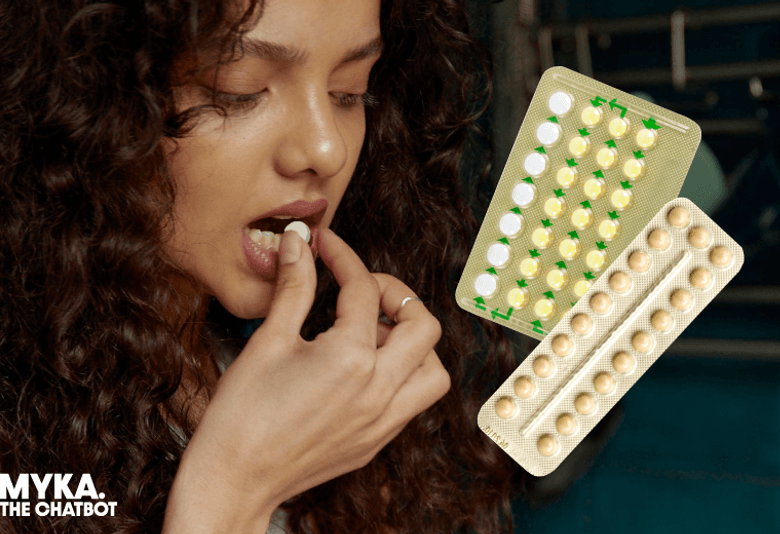
Birth control pills can be confusing. When using them, you might wonder: “Is this really my period?’ or “Can I skip it?” You are definitely not alone.
Birth control pills may cause you to experience lighter, less frequent bleeding, or they may stop it altogether. The type of pill, how you’re using it (your pill schedule), and your body’s response all determine what happens.
There is no single correct preference here, only what works best for you.
Is Bleeding on the Pill a Real Period?
The withdrawal bleed experienced while using a combined pill typically doesn’t represent an actual menstrual cycle. When you take your last active pill and start taking the placebo pills or pill-free days, your hormone levels decline, which triggers the withdrawal bleeding.
In contrast, in a natural cycle, the uterine lining becomes thicker before menstruation begins. The hormones in most combined pills inhibit ovulation and prevent the uterine lining from becoming as thick; therefore, the withdrawal bleed is usually lighter and shorter than a typical menstrual period.
Which Birth Control Pill Schedules Can Reduce or Stop Bleeding?
Different pill schedules can reduce or stop bleeding, as long as you follow your doctor’s or pharmacist’s instructions on how to use your pill and do not change your pill schedule just because you want less bleeding
Standard Monthly Pill Schedule
A standard pill regimen involves taking a set number of active pills followed by a specified number of placebo pills or a break from active pills. In most cases, the withdrawal bleed will occur while you are taking the placebo pills or during the break. For example, if you want to know approximately when to expect your next withdrawal bleed, a standard pill regimen may provide that predictability.
Extended-Cycle Pill Schedule
An extended-cycle regimen allows you to continue to take active pills over a longer period of time (e.g., 84 active pills per pack), after which you may take placebo pills or a break. Extended cycles result in significantly fewer withdrawal bleeds (i.e., about four times per year vs. once per month).
Continuous Pill Schedule
Active pills are taken every day with no breaks. As such, some people will experience very little or no withdrawal bleeding, while others may continue to spot.
If spotting continues to be an issue after starting continuous use, consult your healthcare provider for possible options to manage spotting (e.g., taking a short hormone-free break if recommended by a healthcare provider).
Progestin-Only Pills
Each day, progestin-only pills (POPs) are taken without interruption. Similar to continuous-use regimens, bleeding may decrease, but it may also increase in frequency or become irregular. Regardless of your POP regimen, please follow the timing and missed-pill instructions provided for your pill.
What Bleeding Changes Are Common During the First Few Months?
It takes time for your body to adjust to a new pill, including any changes in your pill schedule. Some people may first experience spotting, lighter or shorter bleeding, or a missed expected withdrawal bleed. It’s common that these changes, especially spotting and irregular bleeding, improve over time.
Using a calendar or log to track bleeding patterns and missed pills can help you recognize trends. If your bleeding causes you distress or interferes with your quality of life, consult a healthcare provider to assist you in considering alternative pill options and schedules.
Why Might You Still Bleed While Trying to Skip Your Period?
Having excessive bleeding does not mean you have done something wrong; it is common when people begin taking active pills continuously because the uterine lining requires some time to adjust.
In the same way, missed or late pills can trigger breakthrough bleeding. Certain medications, vomiting, severe diarrhea, or certain herbal supplements can affect the effectiveness of certain types of birth control pills. Please check your pill instructions for further information and use condoms to prevent unwanted pregnancies while you figure this out.
Is It Safe to Skip Periods With Birth Control Pills?
For many people who are taking combined hormonal birth control methods, skipping withdrawal bleeding is safe. You don’t need a monthly bleed to be in good health, and blood does not accumulate within the uterus. The pill keeps the uterine lining thin, which is why there is minimal shedding.
Please note that your medical history and type of pill still play important roles in determining whether continuous use or extended use is appropriate for you. Consult a healthcare provider before making any decisions or changes regarding your pill schedule.
Does No Bleeding on the Pill Mean You Are Pregnant?
Not bleeding does not automatically mean you’re pregnant. Some forms of birth control (especially those involving long-term use or progestin-only pills) can lead to light bleeding or no bleeding at all.
If you have missed any pills, started a pack late, had vomiting or severe diarrhea, are taking any medications that might interfere with your birth control method, or have any pregnancy symptoms, please consider taking a pregnancy test. If the test is negative but you still have concerns, that’s completely fine; you can simply repeat the test according to the testing kit’s instructions.
Can Birth Control Pills Help With Heavy or Painful Periods?
Yes. Combined birth control pills can make bleeding lighter and cramps less painful for many people. They may also help with other period-related symptoms, although everyone’s experience is different.
If breakthrough bleeding or painful cramps affect your daily life, a combined birth control pill or hormonal IUD may help. You deserve support rather than having to put up with the pain.
Which Birth Control Method May Best Match Your Bleeding Preferences?
The type of birth control that is suitable for you will depend on what works best for your lifestyle. You want to make sure that your choice of birth control fits your needs regarding how much and how often you want to bleed.
Not sure which option may fit you best? Myka, Find My Method’s contraceptive-support chatbot, can help you explore and compare birth control methods based on your preferences, lifestyle, and what matters most to you. Chat with Myka on findmymethod.org.
You Want Predictable Control Over Bleeding
If knowing approximately when you will bleed is important to you, then using a combined oral contraceptive pill (with a standard monthly schedule) could give you this predictability. There are other options available too, such as a birth control patch or vaginal ring (both of these may help you know when to expect bleeding each month).
You Want Fewer or No Periods
If you would prefer fewer scheduled bleeds, extended or continuous use of a combined oral contraceptive pill may meet your needs. Additionally, if you are interested in reducing or stopping your bleeding over time, either a hormonal intrauterine device (IUD) or an injectable contraceptive option may help with this. However, it’s likely to take some time before you notice a reduction in bleeding; during this time, your bleeding may be irregular.
You Prefer a Method That Does Not Require Daily Action
If finding a comfortable form of birth control that doesn’t require daily action is important to you, there are several options available, including IUDs, implants, injections, patches, and vaginal rings. Each of these methods has different effects on bleeding, so consider which outcome is most important to you: lighter bleeding, predictability of bleeding, or ease of use.
You Have Heavy or Painful Periods
If you are experiencing breakthrough bleeding or cramping, you may find that a combined oral contraceptive pill or a hormonal IUD can help reduce both symptoms.
You Want to Avoid Hormones
Non-hormonal forms of contraception include condoms, spermicides, and fertility awareness-based methods. These types of birth control do not affect your menstrual cycles. If you are looking for a non-hormonal IUD that is used for birth control, it is called a copper IUD. It does not use hormones; however, it may cause heavier bleeding or more discomfort from cramping, especially at the beginning.
When Should You Get Support About Bleeding?
Contact your healthcare provider if you continue to experience annoying bleeding for longer than the first three months after starting a new type of birth control, if your bleeding pattern changes after it was previously considered normal, if bleeding occurs after sexual intercourse, or if you have pregnancy concerns or any signs or symptoms of an infection (pain, unusual discharge, or unusual odor).
Additionally, seek immediate medical attention if you soak through a pad or tampon every hour for more than two hours, if you feel faint or very weak, or if you experience severe pelvic pain.
In the end, you are learning more about your body every day. And even if you don’t have every answer yet, you’re listening to what your body is saying, questioning things about it and doing your best to take good care of it. Always be sure to contact your healthcare provider for more information about the birth control pills.
Sources
www.acog.org/womens-health/faqs/combined-hormonal-birth-control-pill-patch-ring
www.acog.org/womens-health/faqs/progestin-only-hormonal-birth-control-pill-and-injection
www.cdc.gov/mmwr/volumes/73/rr/rr7303a1.htm
www.cdc.gov/contraception/media/pdfs/2024/07/recommended-action-late-missed-contraception-508.pdf
www.nhs.uk/contraception/choosing-contraception/effects-on-periods/
www.nhs.uk/contraception/methods-of-contraception/combined-pill/side-effects/
www.acog.org/advocacy/facts-are-important/hormonal-birth-control