
Non-Hormonal IUD in the Philippines
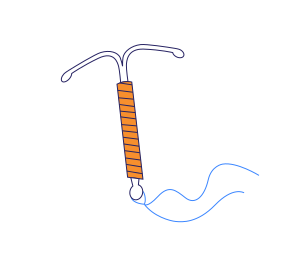
Is the non-hormonal IUD widely available in the Philippines?
Yes. The non-hormonal (copper) IUD is widely available in the Philippines.
Do I need a prescription to access the non-hormonal IUD in the Philippines?
Yes. In the Philippines, the non-hormonal (copper) IUD is typically provided through a healthcare provider after consultation and assessment. It is not over-the-counter and is usually accessed through public health centers, hospitals, or trained providers who assess suitability and perform insertion.
Is there any age restriction for accessing the non-hormonal IUD in the Philippines?
Yes, there are age-related restrictions. For individuals below 18 years old, access to contraceptive methods like the IUD is generally subject to mandatory reproductive health counseling and parental/guardian consent.
How much does a non-hormonal IUD cost in the Philippines?
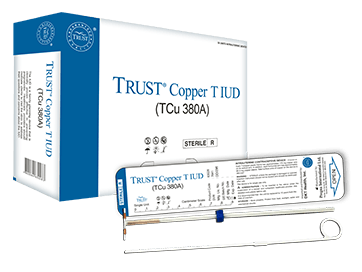
In the Philippines, the SRP of the TRUST Copper T IUD is ₱68.00–₱128.50 per piece, depending on the specific model.
Note: This is only the device cost (SRP). The total cost may still vary depending on the facility and may include consultation, counseling, and insertion fees.
What are the different non-hormonal IUD brands available in the Philippines?
In the Philippines, there is only one commonly available non-hormonal IUD brand. The main brand used is the TRUST Copper T (TCu 380A)

Who can I contact for more information about the non-hormonal IUD in the Philippines?
You can contact a licensed healthcare provider—such as a doctor, OB-GYN, or trained midwife—at public health centers, hospitals, or family planning clinics for more information about the non-hormonal (copper) IUD. They can help assess if it’s the right method for you, provide counseling, and guide you through prescription and insertion. You may also visit TRUST.ph to learn more about the method.
Where can I read more about this method?
If you want to get further information about the non-hormonal IUD, you can find it here.
What can I do in the case of an unplanned pregnancy?
Abortion is illegal in the Philippines, so access to safe and legal services is not available here. If you’re looking to understand more about your options, the laws, or where to find reliable and safe information about abortion, you can visit safe2choose.org. Counselors can also be contacted via email (write to info@safe2choose.org) or via live chat at safe2choose.org/abortion-counseling. They provide accurate, confidential, and non-judgmental information about abortion and reproductive health.