
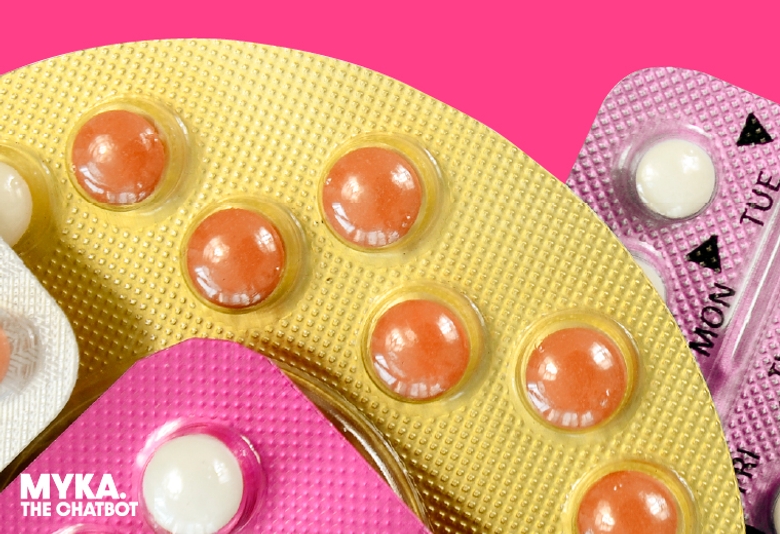
Using a birth control pill after sex can feel like a strange idea when you’re used to taking it every day. Yet a few combined-pill formulas can be used this way in an emergency. With Yuzpe, several active pills make up the first dose, and the same dose is taken again 12 hours later.
Yuzpe is usually a fallback. For some people, it may be the next option when they cannot find a pill sold specifically for emergency contraception. The tricky part is the dose: it changes according to the hormones and strength in each product. That is why the packet should be checked by a pharmacist or healthcare provider first.
What Is the Yuzpe Method?
What Yuzpe is trying to do is buy time before ovulation. Yuzpe relies on two hormones, ethinyl estradiol and levonorgestrel. In the right amount, they may delay the release of an egg. The method has a chance to work only if that release has not happened yet.
That makes Yuzpe very different from abortion medication. It will not end a pregnancy that has already started. If you took Yuzpe before finding out you were pregnant, it isn’t known to harm the pregnancy.
Sexually transmitted infections (STIs) are a separate issue. It will not protect you from HIV or other STIs. Condoms are still the only contraceptive method that protects you from contracting an STI. If you’re concerned about exposure after unprotected sex, it is best to test for STIs.
Why Is the Yuzpe Method Used in the Philippines?
The issue in the Philippines is often access. Regular combined pills may be sitting on the shelf even when a dedicated emergency contraceptive pill is not. That gap is where Yuzpe comes in. The Philippine DOH’s 2014 family-planning manual includes the method, along with a list of pill brands and doses.
So when the usual emergency pill isn’t on the pharmacy shelf, providers at least have another route to consider. But it’s not as simple as “any pill will do.” Pharmacies don’t all carry the same stock, and the packet you have still needs to match a suitable formulation.
When Can the Yuzpe Method Be Used?
A broken or slipped condom, withdrawal that didn’t quite work, or sex without contraception, any of these can be a reason to consider Yuzpe. Missed birth control pills are a little trickier because it depends on which pill you take and which doses you missed. Yuzpe may also be offered after sexual assault when pregnancy is possible.
Take the first dose as soon as you can after unprotected sex. The limit is five days (120 hours), but earlier is better.
How to Use the Yuzpe Method Safely
With Yuzpe, you take one full dose and then repeat it 12 hours later. A full dose contains 100–120 micrograms of ethinyl estradiol and 0.5–0.6 milligrams of levonorgestrel, but getting there may take several tablets.
The exact number comes down to the strength of each pill. Check the label carefully; a pill made with a different hormone isn’t a straight swap.
Can Trust or Lady Pills Be Used for the Yuzpe Method?
The following formulations appear in the Philippine clinical manual’s dosing guidance:
| Brand and ingredients in each active pill | First dose | Second dose |
|---|---|---|
| Lady: ethinyl estradiol 30 mcg + levonorgestrel 150 mcg | Take 4 active pills together | Take 4 active pills together, 12 hours later |
| Trust: ethinyl estradiol 30 mcg + levonorgestrel 125 mcg | Take 4 active pills together | Take 4 active pills together, 12 hours later |
Before following this table, have the ingredients and strength on your packet checked. The instructions apply only to the formulations shown.
Use the active hormonal pills, not the iron or placebo tablets included in some packs. Pill colors can be confusing, so use the information on the pack to tell them apart. After the first dose, jot down the time or set an alarm for 12 hours later.
How Effective Is the Yuzpe Method Compared With Other Emergency Contraception?
Yuzpe can reduce the chance of pregnancy, but it does not work every time. When you take it, matters too: it is more likely to help before ovulation than after an egg has already been released.
The Philippine manual gives an estimate of about eight pregnancies per 100 people without emergency contraception, compared with two after Yuzpe. This example applies to unprotected sex during the second or third week of the menstrual cycle. In other words, Yuzpe would prevent around 75% of the pregnancies expected without emergency contraception. That’s different from saying you have a 25% chance of becoming pregnant after taking it.
If you can get dedicated levonorgestrel or ulipristal emergency contraceptive pills, they offer better protection and tend to cause less nausea or vomiting than Yuzpe. A copper IUD is even more effective. When a trained provider inserts one within five days of unprotected sex, it is more than 99% effective. You cannot insert a copper IUD yourself. A trained provider needs to do it and will check first whether it is a suitable option for you.
What Are the Side Effects and What Can You Expect After Using It?
Many people experience nausea after using the yuzpe method.. Others feel tired or a little dizzy or notice a headache, mild cramps, or sore breasts. These symptoms usually pass. Your next period may not look quite like the usual one, it can turn up early or late, with heavier or lighter bleeding. Spotting can happen too.
If you vomit not long after taking the pills, they may not have had time to be absorbed. When vomiting happens within two hours, WHO advises repeating the dose. Ask a pharmacist or healthcare provider how many pills that means for your pack. If it keeps happening, don’t take more pills on your own.
You can resume your regular contraception as soon as you finish Yuzpe. Use condoms or avoid sex during the next seven days, since your usual method needs time to become effective. Yuzpe also won’t cover unprotected sex that happens afterward.
When Should You Take a Pregnancy Test After Using the Yuzpe Method?
A period running more than a week late is your cue to test. Yuzpe can delay your period, but don’t assume that is the only reason it is late. The CDC also advises testing if you haven’t had a period or withdrawal bleed within three weeks after emergency contraception.
If the test is negative but your period still doesn’t arrive, repeat it after a few days or speak with a healthcare provider.
When Should You Seek Medical Help?
Serious complications are rare, but seek urgent medical care if you experience severe or one-sided lower abdominal pain, very heavy bleeding, severe dizziness, or fainting, especially if your period is late or you have a positive pregnancy test. In rare cases, these can be signs of an ectopic pregnancy, so it is important to get checked.
Pain focused on one side is also concerning when it comes with dizziness or a missed period. Because these can be signs of an ectopic pregnancy, seek help even if you haven’t yet taken a pregnancy test.
Frequently Asked Questions
Can You Use the Yuzpe Method More Than Once?
Yes. It is okay to use emergency contraception again in the same cycle. If you are reaching for it often, though, it may be worth talking through regular birth control options with a healthcare provider.
Can the Yuzpe Method Affect Future Fertility?
No. Taking emergency contraception does not damage your fertility or delay its return. Your next period may be a little early or late, but that doesn’t last.
Can the Yuzpe Method Be Used While Breastfeeding?
Yes. CDC guidance says Yuzpe can be used while breastfeeding. This applies to the short emergency regimen, not to taking a combined pill every day. If you have recently given birth, ask a clinician which option would suit you best.
Myka can help you understand your contraception options. Got questions about a specific pill? Hang onto the packet. A pharmacist or healthcare provider will need the ingredient list and strength to work out which instructions apply to your pill.
Is the Yuzpe Method the Same as an Abortion?
No. The Yuzpe method is a form of emergency contraception, not an abortion method. It works mainly by preventing or delaying ovulation before a pregnancy begins. It cannot end an existing pregnancy and should not be confused with abortion pills.
Sources
www.who.int/news-room/fact-sheets/detail/emergency-contraception
platform.who.int/docs/default-source/mca-documents/policy-documents/operational-guidance/phl-rh-32-01-operationalguidance-2014-eng-clinical-standards-manual-family-planning.pdf?sfvrsn=99d6032b_2
www.cdc.gov/mmwr/volumes/73/rr/rr7303a1.htm
www.acog.org/womens-health/faqs/ectopic-pregnancy
www.cdc.gov/contraception/hcp/usmec/emergency-contraception.html