
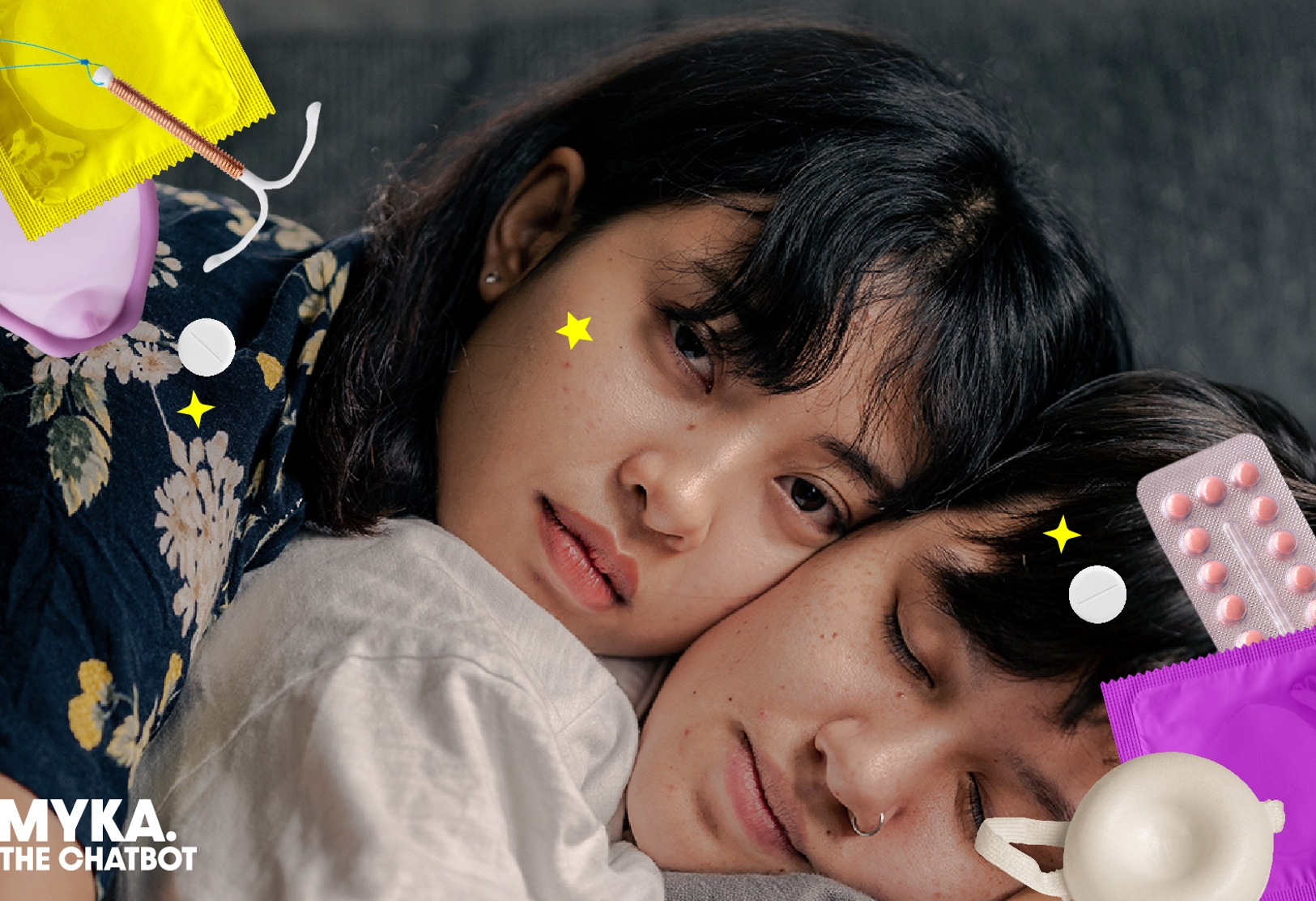
For some people, getting contraception is as easy as walking into a pharmacy or a healthcare facility. For others, it means navigating costs, stigma, misinformation, limited choices, shame, cultural expectations, and provider bias based on personal and religious beliefs.
For World Contraception Day 2026, we highlight some real stories in this blog that capture people’s lived experiences with accessing and using birth control methods.
Choice Means More Than Having Options
It is important to have all the different contraceptive options available to choose from. However, real choice means understanding how these options work, being able to physically and financially access the methods, making the decision without shame or pressure from others and knowing which will be your perfect fit based on your lifestyle and needs.
Three Stories, Three Different Realities
“Oooh! That’d have to be the very first time I bought Postinor 2, popularly known as P2 in Kenya. I had just joined campus and finally hooked up with a guy I had been talking to for months, and now I was afraid I would get pregnant. It was such a humiliating experience at the hospital; I literally burst out crying. Here’s what happened. I walked in and asked for a pack of P2, but the attendant was hell-bent on having me repeat it. He asked me to speak up twice, and when I said the full term, Postinor 2, he asked if my parents knew that I was having sex. I just broke down crying. Luckily, an old woman at the back came in just in time and comforted me before offering me the P2 for free. To this day, I still feel some shame when I need to buy emergency contraception at a pharmacy in person.”
– Anon 1
It took me a while to be fully comfortable in my sexuality, so I didn’t start having sex until around 20/21 years. The first time, I used a condom with my partner; it was a great experience, and we parted ways after. After I got home and decided to wash up, I realized the condom was still partially inside me with half of it hanging out. Obviously, I panicked, considering it was my first time and I didn’t exactly see anything similar when I was researching how to prepare for my first time with another man. I called him panicking and also frustrated because how could he not notice?
Thankfully, he was able to calm me down and also reassured me that he’s clean, if that’s contributing to my fear, and urged me to research PEP and PrEP to see if something I’d like to consider now that I plan to be sexually active. We still remain great friends, and we randomly talk about my first time and laugh over it.
– Anon 2When I went to my very remote village for raining season farming, my boyfriend came visiting. Having spent months apart, we have missed each other so much.
We had sex for the first time using a condom, but when we wanted to have another round of sex, we realized we have none; the only option was to use the same used one. My boyfriend had to pour water into the used condom and wash it before we used it again. Guess what? After the intercourse we couldn’t find the sperm in the condom because it was broken without us knowing till after the sex.
The following day we went around the village to buy emergency contraception but found out they don’t sell both condoms and contraceptives for cultural reasons. At that moment my life was just chaotic. I had to leave the village after a week of finding out I am pregnant for immediate abortion. Honestly, this situation has taught me a lesson: never joke with my contraception. I used it against unwanted pregnancy.
– Anon 3
When Shame Shapes the Choice
In the first anonymous story, stigma and cultural expectations turned a simple decision into a difficult and lasting experience for the person. Access that comes with shame and judgement does not allow for people to make decisions without fear. Knowing where to get contraception is just one hurdle.
Accessing contraception can be affected by the attitudes of pharmacists, healthcare providers, and others that can make the experience feel more embarrassing and daunting than it’s supposed to be.
Everyone deserves to access contraception without being shamed.
When Information Gap Shapes the Choice
Much sexual health information and education focuses on prevention. But as evidenced in Anon 2’s story, real-life experiences can be messier. Condoms break, fail, or get stuck; pills can be forgotten. In these cases, knowing the options available in situations like these can make the difference between a person feeling overwhelmed and one who feels informed.
Comprehensive sexual education includes practical information on understanding options before, during, and after sex.
When Contraception Is Out of Reach
For some people, like Anon 3, the problem isn’t about options or information gaps. It’s that they are not available when a person needs them. Knowing that condoms can prevent STIs and pregnancy doesn’t help if you can’t find them. It is also important to note that condoms cannot be reused; each sexual encounter needs a new condom for maximum effectiveness.
For many people living in rural areas, distance and limited choices can determine which birth control methods are available to them.
Not being able to access contraception can lead to an unwanted pregnancy someone wasn’t prepared for.
What These Stories Reveal About Contraceptive Access
These stories may be different, but they all show that informed contraceptive access requires more than just availability. People need non-judgmental support, accurate information, and the freedom to choose.
Information Without Access Is Not Enough
Like in Anon 3’s story, having information on what method to use alone was not helpful enough. Contraceptive methods have to be readily available, affordable, and easily accessible when a person needs them.
Real Choice Requires Freedom, Support, and Availability
Making an informed choice requires choosing and accessing a birth control method without shame, stigma, judgement and pressure from external sources or providers. It requires having access to accurate information about the different methods so the person can make an informed choice.
Every Contraception Story Deserves to Be Heard
Behind every contraception story about side effects, failure, and inability to access methods are different people who are navigating cultural expectations, their bodies, relationships, their choices, and their circumstances.
These stories help us understand that people need to be able to reach, understand, and choose from the different contraception methods available.
Everyone deserves non-stigmatizing support to decide if and when they are ready for pregnancy.
If you or someone you know is interested in sharing their contraception story with us, send it via this email; submissions@findmymethod.org
SOURCES
Family Planning https://www.who.int/news-room/fact-sheets/detail/family-planning-contraception
Knowledge, attitudes and practices regarding contraception amongst community pharmacy staff: A cross sectional study in Nigeria
https://pmc.ncbi.nlm.nih.gov/articles/PMC11973348/